
Matt Schlosser
North Carolinians need lower gas prices, but more importantly, they need leaders who will actually show up and tackle the cost-of-living crisis every day, not just when it’s politically convenient.
Helene won’t define Western North Carolina. How people showed up for one another in the aftermath– the resilience, generosity, and determination– that’s what will define Western NC.
The President came to North Carolina this week to campaign for Michael Whatley– the failed Hurricane Helene Recovery Czar who is now running for U.S. Senate. Honestly, we weren’t planning on covering the rally this week (didn’t want to subject you to that). But what unraveled on Wednesday was just so ridiculous, so insulting, so…
It’s okay to feel unsettled right now, but there’s no reason to panic. With ballots already going out in North Carolina, let’s take a look at what’s going on with mail-in voting, and make a plan for what you can do next.
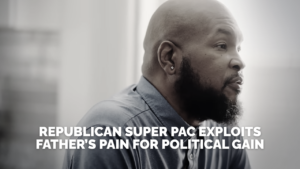
Losing a child is every parent’s worst nightmare. A Republican super PAC turned that nightmare into a multi-million dollar attack ad, one that twists the facts and exploits a father’s pain for political gain.
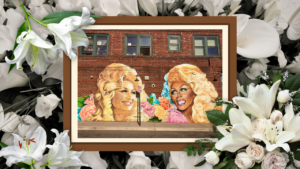
We’re living through difficult times, but Dolly’s legacy is a reminder of what America can be when it’s at its best– a generous neighbor, a unifier, a leader who is kind, compassionate, and radiant. May her memory inspire us to continue building a country that reflects that character.
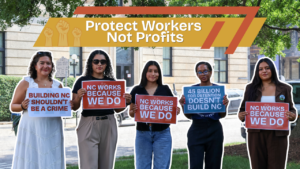
North Carolina is lucky to have the immigrants who live and work here, and we’re lucky to have local leaders who are willing to step up and advocate for them. Throughout tough circumstances, they’ve continued to support us and keep our communities running. Now we need to do a better job of supporting them.
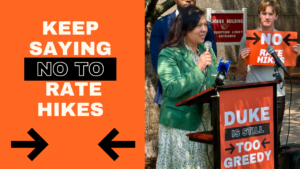
Duke Energy has been a prime example of greedy corporations demanding too much – whether it’s 6.8% or 9.3% – and North Carolinians have rallied together to fight back.
Chemours screwed North Carolinians. And they, in partnership with the Trump administration and its allies, are continuing to screw North Carolinians today.
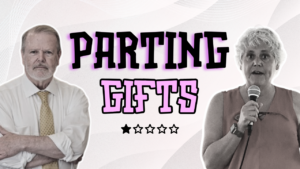
Phil Berger and Sarah Stevens have spent their last days at the NC General Assembly writing some of the worst bills of their career, leaving behind legislation that is chock-full of voter suppression tactics and legacies that are big on corruption.